I. Prelude to dismissal
The official statement spoke of a “reassignment,” yet every informed observer understood that Noem’s tenure ended the way most Trump-era cabinet careers do: not with a single lightning bolt but with an electrical storm she herself helped brew.
- Blood on the ledger. Agents from Immigration and Customs Enforcement and tactical Homeland Security teams executed high-visibility raids in Minneapolis and on Chicago’s Southwest Side that left three by-standers dead, two of them U.S. citizens. Noem’s department insisted the targets were “domestic-terror suspects,” a label later contradicted by local police video and FBI forensics. The episode echoed the family-separation fiasco of 2018, when another DHS secretary, Kirstjen Nielsen, found herself thrust forward to defend the undefendable and was promptly devoured by the backlash—an outcome senior officials have come to call “getting Nielsened.”
- The $220-million advertising caper. While the funerals were still in the news crawl, Noem used a House oversight hearing to boast that the president had personally cleared her no-bid “Border Shield” media buy. West Wing aides recoiled; internal calendars showed no such approval, and the winning vendor traced back to a coterie of Republican consultants who have orbited Trump campaigns since 2016.
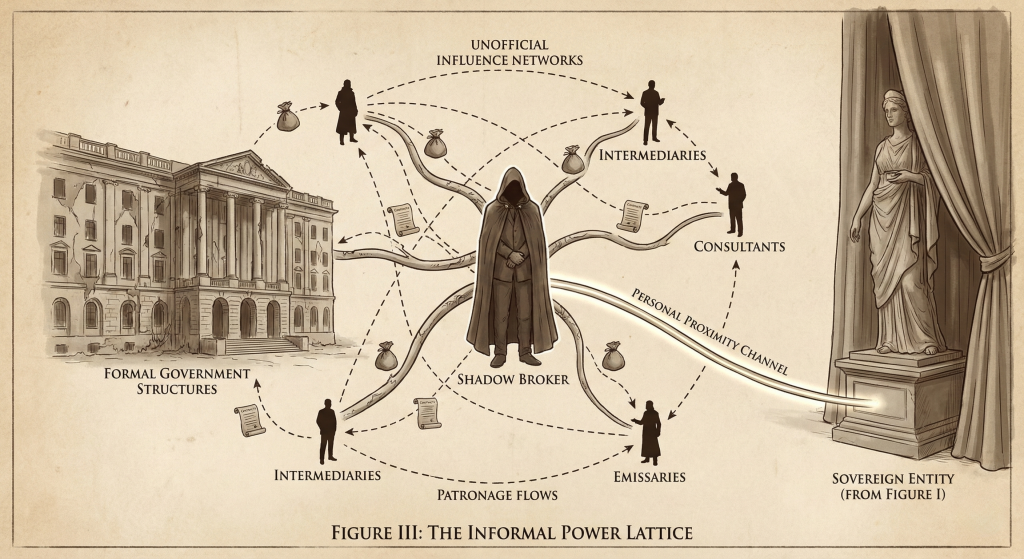
- Corey-gate. Enter Corey Lewandowski, the perennial knife-fighter lingering just outside government payrolls. E-mails subpoenaed by the House showed Lewandowski green-lighting portions of the ad contract and screening candidates for DHS legal posts. Rumors of an affair between the two—amplified by footage of late-night SUV arrivals at the Hay-Adams—gave tabloid energy to what was already a procurement scandal.
- Management by menace. Career officials described a department where loyalty checks outranked policy briefs. They had seen the pattern before: a White House liaison barely old enough to rent a car threatening to “burn down” recalcitrant staffers, part of the McEntee-run purity patrol that metastasised across the federal bureaucracy in Trump’s first term .
II. Why the guillotine always waits
Noem’s ouster is personal, but the machinery that made it inevitable belongs to her patrons.
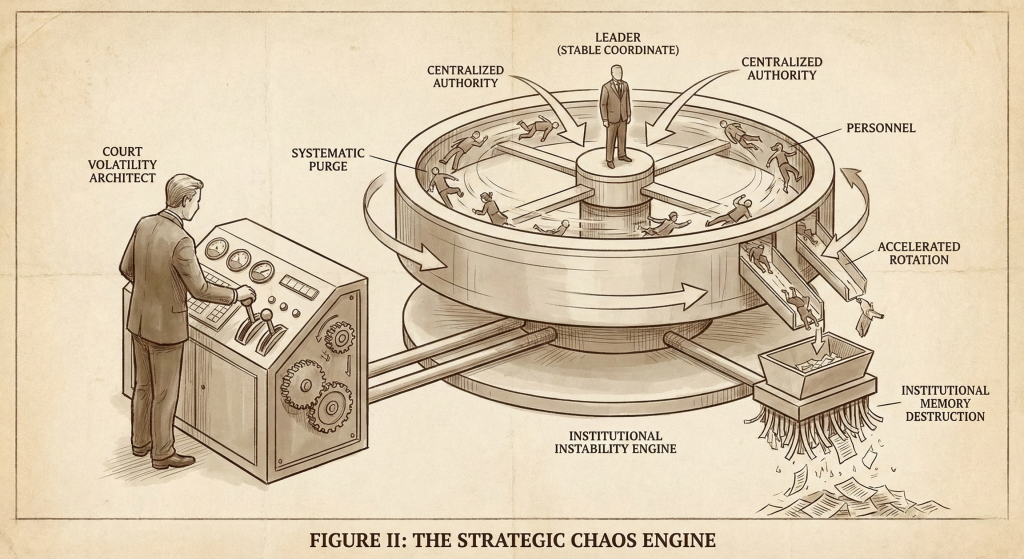
- Turnover as governing strategy. Trump’s court has long weaponised vacancy and volatility. By March 2018, his administration was already logging staff-churn rates three times higher than Barack Obama’s first-year figures, with the president bragging, “I’m the only one that matters.” Firings were less a last resort than a preferred mode of course correction .
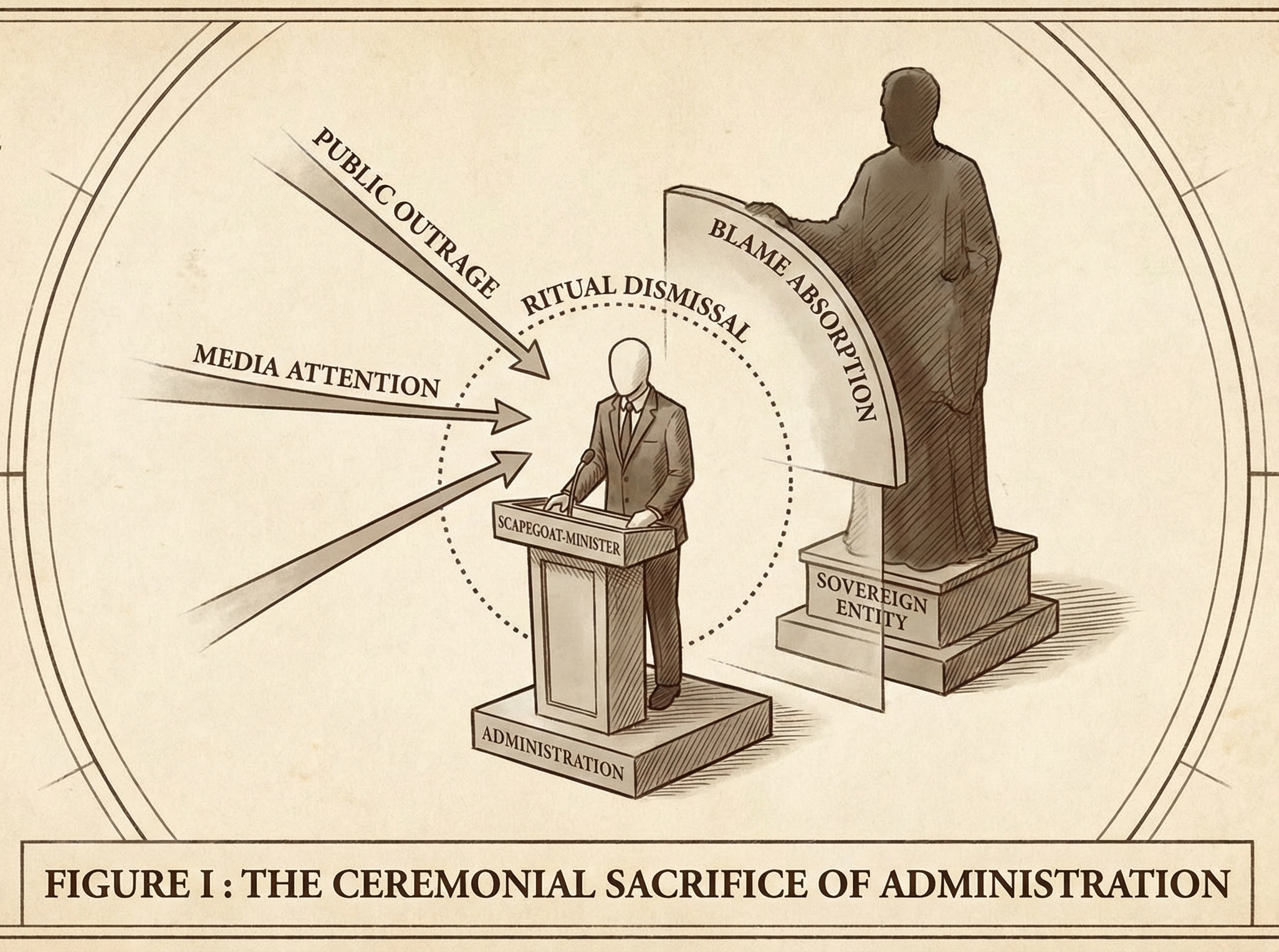
- The ritual of scapegoat swap-outs. When a policy becomes radioactive but politically essential—family separations, travel bans, tariff spasms—the White House performs a public beheading and keeps the policy. Stephen Miller’s engineered DHS purge after the border surge shows the template: blame “weak” leaders, install harder-liners, and declare momentum restored .
- Loyalty carnivores. Inside agencies, Trump’s thirty-something envoys served as ideological hall monitors whose real brief was to sniff out disloyalty; terrorising mid-level staff became a feature, not a bug . Noem’s mistake was to seize the spotlight for herself—an unforgivable sin in a system that demands total reflection of the boss’s image, never its eclipse.
- Party complicity. Congressional Republicans have cheered each escalatory step, allocating supplemental enforcement funds while decrying “sanctuary cities” from the safety of C-SPAN. The consultants who latched onto Noem’s ad buy are the same vendors who rotate through super-PACs and leadership-committee slush funds. The incentives—violent spectacle, televised swagger, donor contracts—are bipartisan only in cost; the profits accrue inside the GOP’s own patronage loops.
III. A brief on the charges
From Minneapolis to the House hearing room, every thread leads back to the larger Republican-Trump nexus:
- Operational carnage: Raids conceived to dramatise “law-and-order” talking points devolve into lethal miscues, yet the metrics—body-camera clips that look tough—fit the campaign narrative.
- Monetised propaganda: A no-bid contract is not a glitch but a standard reward for political craftsmen in a movement that treats government coffers as campaign underwriters.
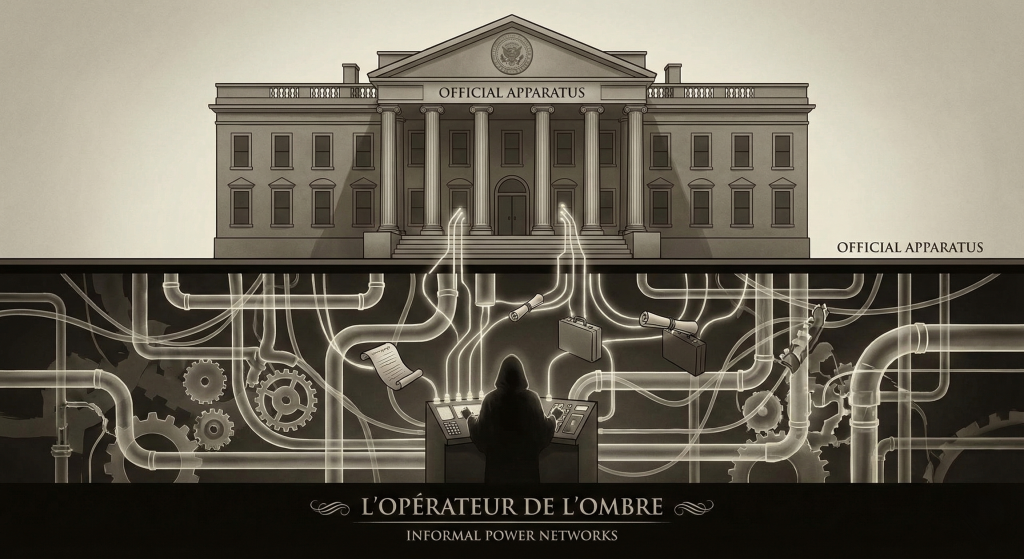
- Personal fiefdoms: Lewandowski’s shadow authority over DHS contracts re-creates the informal power lanes Trump has granted loyalists since the 2016 transition, when Mar-a-Lago patios doubled as personnel offices.
- Institutional hollowing: Career expertise is driven out, replaced by ideological “volunteers” whose true portfolio is to insulate the president from blame and to ensure that any future disaster lands on a convenient subordinate.

IV. Epilogue: heads will roll, the carousel spins
The president now promotes Noem to a decorative envoy post, praising her “service” even as aides leak word of her failures. Another loyalist will accept the Homeland Security portfolio, swear the raids will be cleaner, the ads more transparent, the chain of command airtight. And when the next scandal breaches the levee, the scaffold—still gleaming from its last use—will be wheeled back into view.
The story, then, is not about one woman’s fall but about a system that survives on ceremonial sacrifice. To understand Noem’s downfall is to watch the party she served tighten the very bolts of the machine that ground her down. The music stops, a chair is removed, and—by design—there is always some next official left standing, obliged to dance ever faster for the glory of the brand.